

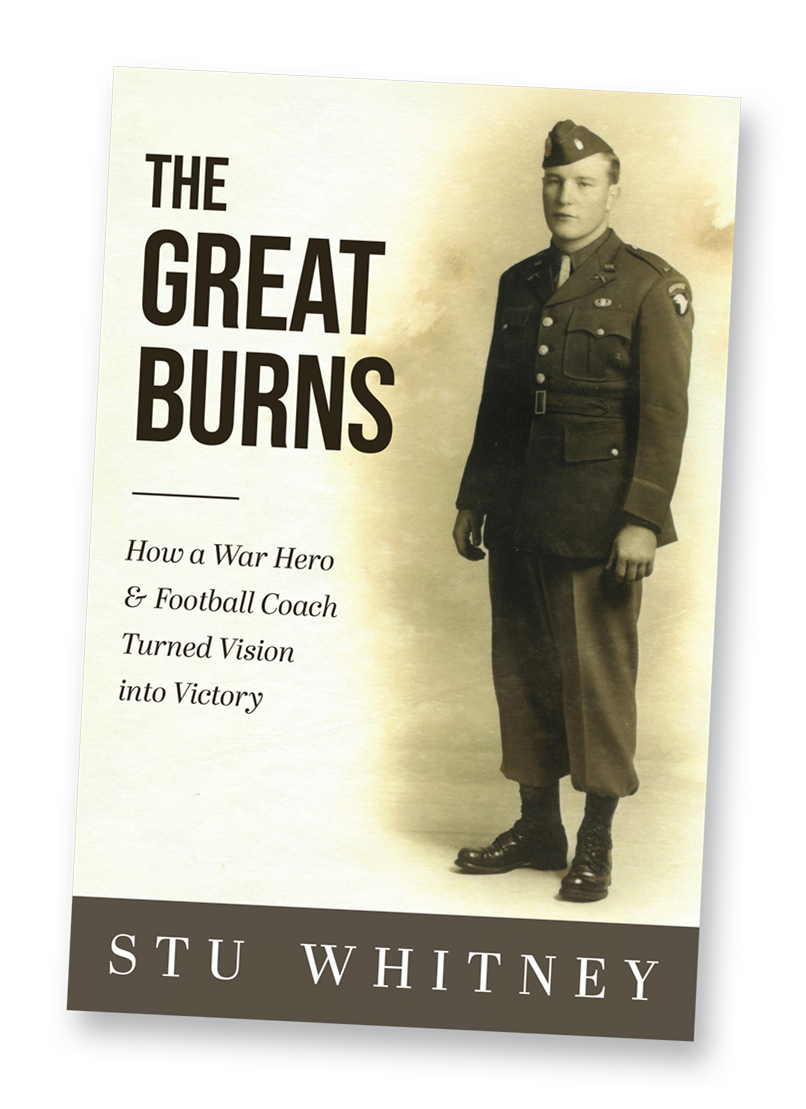
on sale now !
BUY HARDCOVER
buy PAPERBACK OR KINDLE
Book Launch eventS
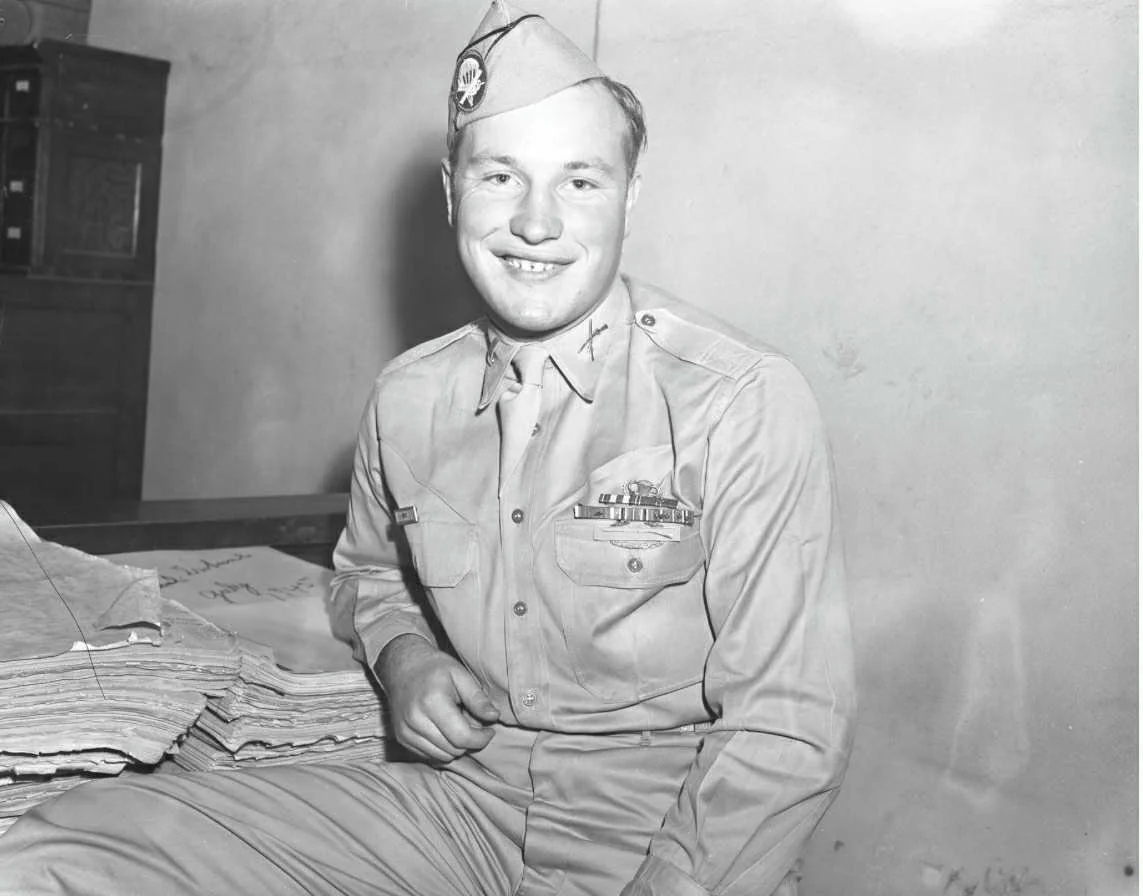
Bob Burns had the sort of life that few people seem to live anymore.
Champion boxer. Star quarterback. War hero. Coaching legend. Idea man.
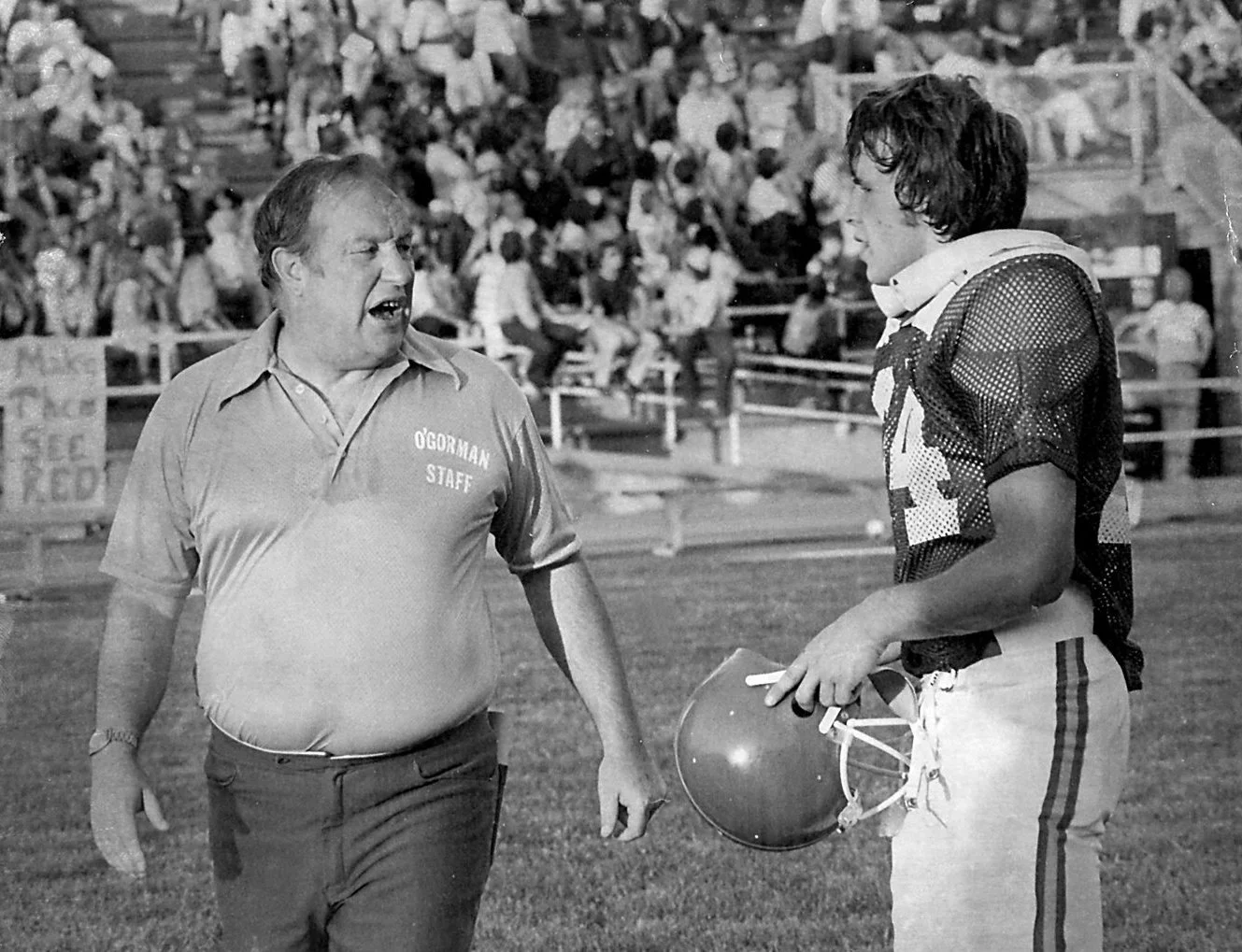
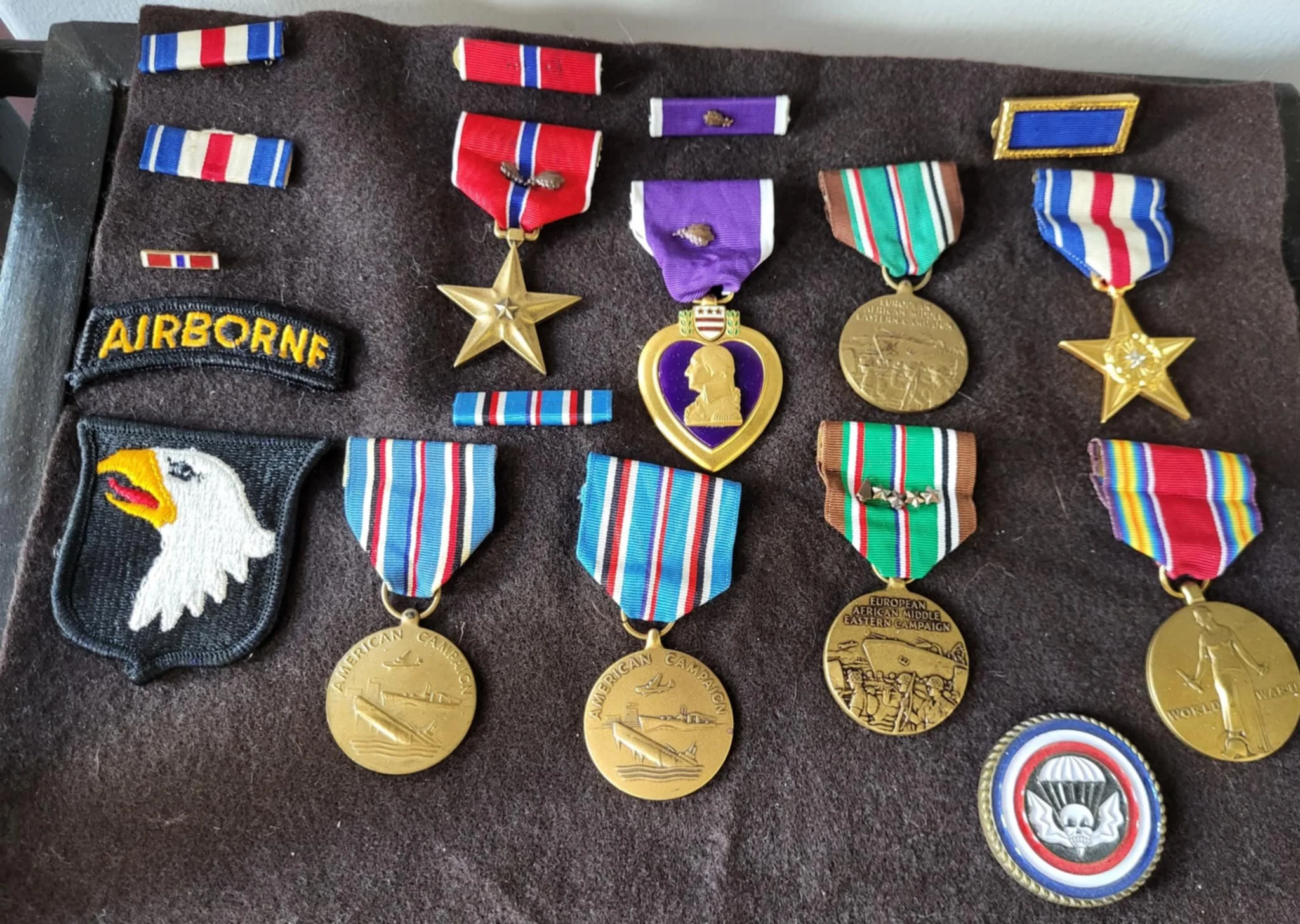
Burns parachuted behind enemy lines on D-Day, lured the Minnesota Vikings to South Dakota for their first-ever NFL game and, as a hard-driving football coach, lifted high school and college programs to unprecedented heights.
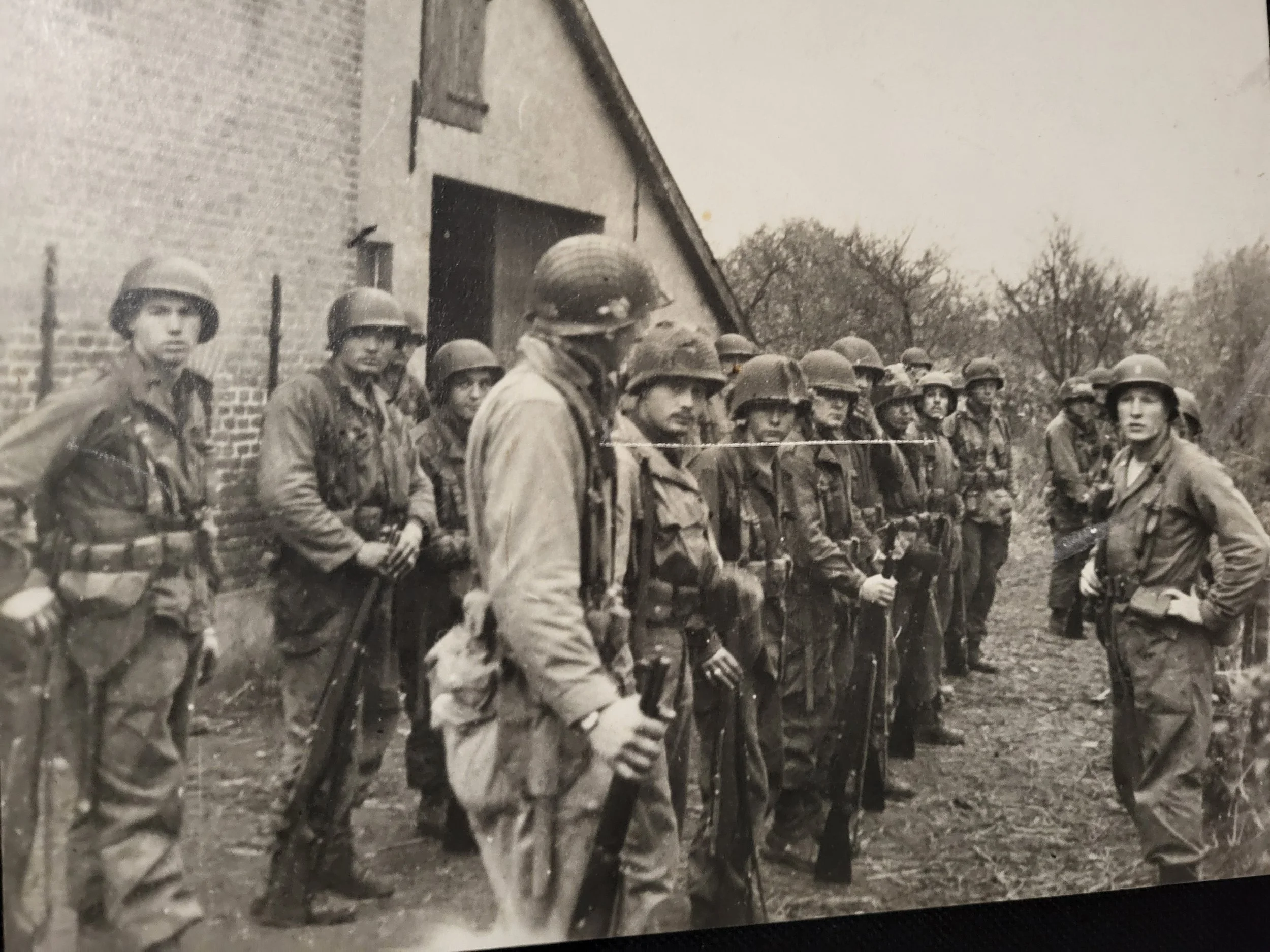
The Great Burns, authored by longtime South Dakota journalist Stu Whitney, is a journey in itself. It captures the essence of Burns’ desire to win, whether courting his future wife in college, fighting off German attacks at the Battle of the Bulge or earning the lifelong loyalty of his players with memorable triumphs.
It is a story that will resonate with readers who are hungry for American heroes, especially those who inspire others by making them believe in themselves.

“A guy like Bob Burns comes around once in a lifetime. Or maybe more rarely than that.”


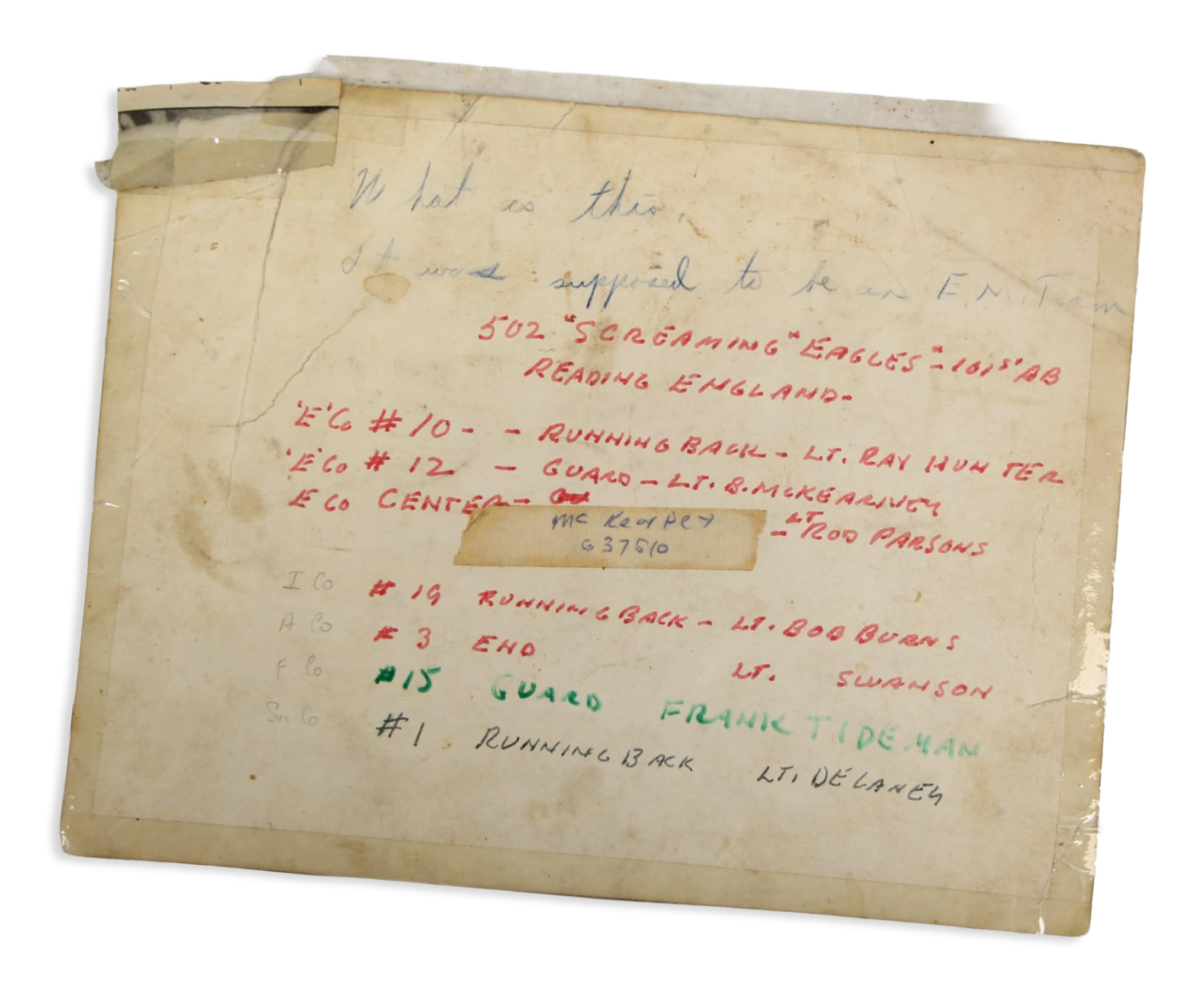
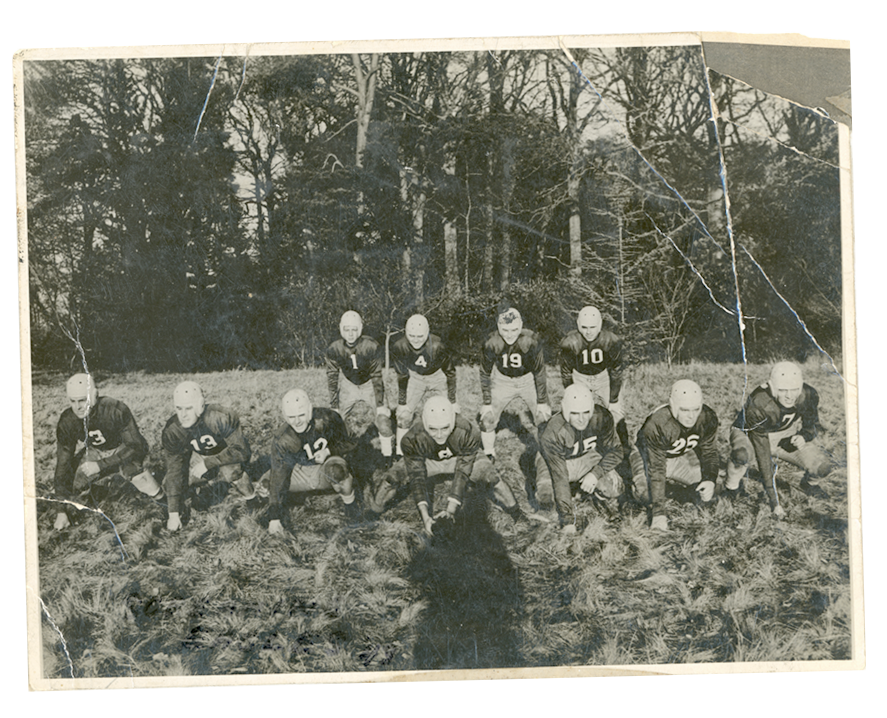
In 1943, Lieutenant Bob Burns was serving as the Athletic Officer of the 101st Airborne Division at Fort Bragg (then called “The Eagle Division”). He was also the 101st Airborne Division Heavyweight Champion and boxed as heavyweight on the 502nd Parachute Infantry Regiment boxing team that fought in the Carolinas Golden Gloves tournaments. Burns named that boxing team “THE SCREAMING EAGLES.” The name was later used by Burns for the 502nd football team that was playing other Army units in England before D-Day. The Screaming Eagles name was picked up by Stars & Stripes newspaper writers at the time, and later adopted by the entire Division as its official mascot name. Historian Mark Bando writes about this in his book 101st Airborne: The Screaming Eagles in World War II (p. 28).

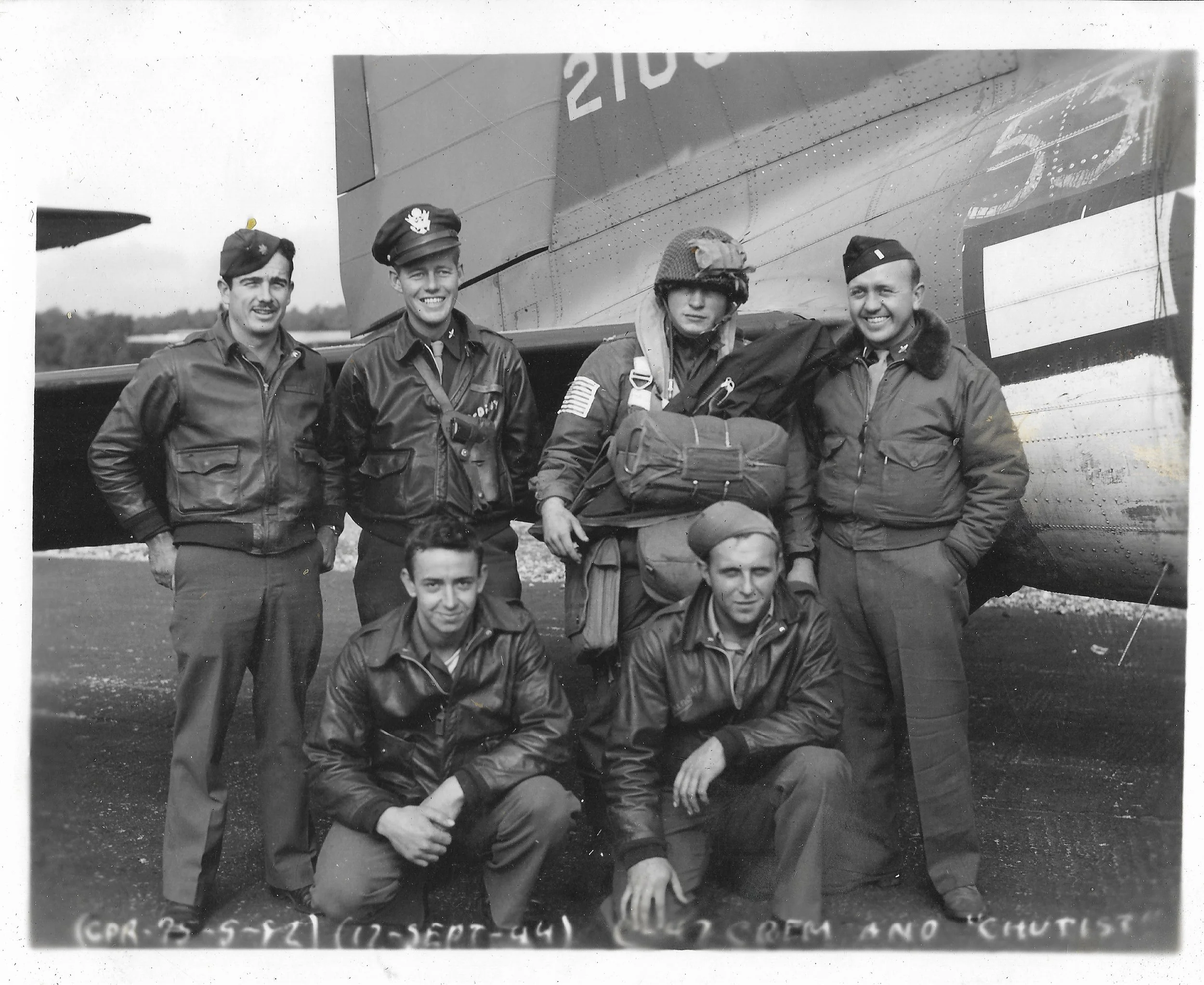

Stu Whitney
Stu Whitney worked for 30 years as a reporter and columnist at the Sioux Falls (S.D.) Argus Leader, the state’s largest newspaper, and later as an investigative journalist at South Dakota News Watch, an independent nonprofit.
His previous book credits include a novel, “The Covid Chronicles,” in August 2021 and the nonfiction “Behind the Green Curtain: The Sacrifice of Ethics and Academics in Michigan State Football's Rise to National Prominence,” published by Masters Press in 1990.
He is a graduate of Michigan State University and lives in Sioux Falls with his wife, Lisa.